Introduction
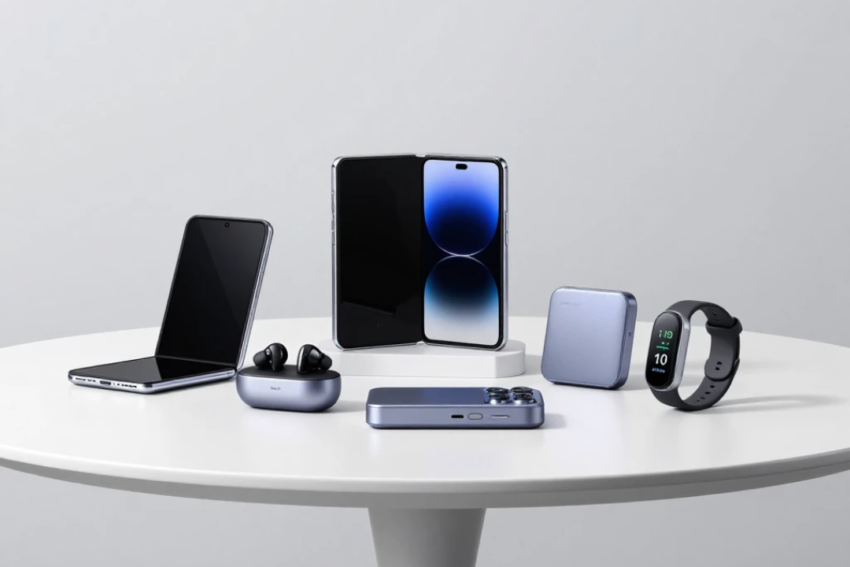
Consumer technology is evolving rapidly, and 2026 is bringing a new generation of powerful gadgets designed to make everyday life smarter, faster, and more convenient. From AI-powered smartphones and laptops to advanced wearables, smart home devices, gaming hardware, and connected entertainment systems, modern gadgets are becoming more intelligent and interconnected.
The latest gadgets in 2026 are not just about better specifications. Many devices now use artificial intelligence, advanced sensors, cloud services, and wireless connectivity to provide personalized experiences and automate everyday tasks.
For consumers, this creates more choices than ever. However, choosing the right technology requires understanding which features provide real value and which upgrades are simply marketing improvements.
This guide explores the most important consumer technology trends and latest gadgets in 2026, their useful features, benefits, and factors to consider before buying.
1. AI-Powered Smartphones
Smartphones remain at the center of modern consumer technology.
In 2026, AI is becoming a major part of the smartphone experience. Modern devices can use AI for:
- Photo enhancement
- Image editing
- Translation
- Writing assistance
- Voice commands
- Search
- Call assistance
- Personalized recommendations
AI-powered processors can also perform certain tasks directly on the device, potentially improving responsiveness and reducing the need to send every request to the cloud.
What Makes a Smartphone Worth Buying?
Consider:
- Processor performance
- Camera quality
- Battery life
- Display
- Storage
- Software support
- Security
- Connectivity
A balanced device with reliable software support can provide better long-term value than a phone focused only on headline specifications.
2. AI-Capable Laptops
Laptops are also becoming more intelligent.
Modern AI-capable laptops are designed to handle traditional computing workloads while supporting AI-related features.
Potential applications include:
- Image editing
- Video processing
- Voice features
- Productivity assistance
- Content creation
- Local AI applications
Important laptop specifications include:
- Processor
- RAM
- SSD storage
- Display
- Battery life
- Webcam
- Connectivity
Students may prioritize portability and battery life, while professionals and creators may require more processing and graphics performance.
3. Advanced Smartwatches
Smartwatches have evolved into multifunctional wearable computers.
They can provide:
- Fitness tracking
- GPS
- Notifications
- Workout monitoring
- Sleep tracking
- Heart-rate monitoring
- Music controls
- Contactless payments
In 2026, AI-powered features can help make wearable data easier to understand and more personalized.
Smartwatches are particularly useful for people who want quick access to information without constantly checking a smartphone.
4. Smart Rings
Smart rings are one of the newer wearable categories attracting consumer attention.
Their small size allows them to provide certain tracking features without the bulk of a smartwatch.
Depending on the product, smart rings can provide information related to:
- Activity
- Sleep
- Heart rate
- Recovery
- General wellness
Their lightweight design can make them attractive for users who prefer minimal wearables.
5. Wireless Earbuds With AI Features
Wireless earbuds continue to become more capable.
Modern earbuds can offer:
- Active noise cancellation
- Transparency modes
- Spatial audio
- Improved microphones
- Voice assistant support
- Wireless charging
Some devices are also incorporating AI-related features that can improve voice processing, communication, and sound personalization.
When choosing earbuds, focus on comfort, sound quality, microphone performance, battery life, and device compatibility.
6. Smart Home Devices
Smart home technology is becoming increasingly accessible.
Popular gadgets include:
- Smart lights
- Smart plugs
- Smart thermostats
- Smart speakers
- Smart locks
- Security cameras
- Video doorbells
These devices can be controlled through smartphone applications, voice commands, or automated routines.
Smart Home Automation
A smart home can automate repetitive tasks.
For example:
- Lights can turn off automatically.
- Thermostats can follow schedules.
- Security cameras can send notifications.
- Smart plugs can control appliances.
- Doors can be monitored remotely.
The key is to choose devices that work together within a compatible ecosystem.
7. Smart Security Cameras
Home security technology is becoming more intelligent.
Modern cameras can offer:
- Motion detection
- Night vision
- Two-way audio
- Mobile notifications
- Cloud storage
- Local storage
- AI-based detection
Some systems can distinguish between people, vehicles, animals, and other movement.
However, privacy should be carefully considered when installing connected cameras.
Users should review storage policies and enable strong security settings.
8. Smart Doorbells
Video doorbells combine doorbell functionality with internet-connected cameras.
They can provide alerts when someone approaches a property.
Features may include:
- Motion detection
- Video recording
- Two-way communication
- Night vision
- Smartphone alerts
These devices can be particularly useful for monitoring deliveries and visitors.
9. Smart TVs and Streaming Devices
Home entertainment continues to improve through better displays and connected software.
Modern smart TVs can provide access to:
- Streaming platforms
- Gaming services
- Music
- Apps
- Online content
Important display features include:
- Resolution
- HDR
- Refresh rate
- Contrast
- Input latency
- HDMI support
Streaming devices can also turn older televisions into connected entertainment systems.
10. Gaming Gadgets
Gaming remains a major part of consumer technology.
Modern gaming gadgets include:
- Gaming consoles
- Handheld gaming devices
- Gaming laptops
- Wireless controllers
- Gaming headsets
- Mechanical keyboards
- High-refresh-rate monitors
Gaming handhelds are particularly attractive to consumers who want portable gaming experiences.
Cloud gaming can also allow users to access demanding games through supported services, although a fast and stable internet connection is important.
11. Portable Power Banks and Fast Chargers
As people carry more electronic devices, portable charging has become essential.
Modern power banks can provide extra battery capacity for:
- Smartphones
- Tablets
- Wireless earbuds
- Portable gaming devices
- Other USB-powered products
Important features include:
- USB-C
- Charging speed
- Battery capacity
- Size
- Weight
- Safety protections
Multi-device chargers can also reduce the number of chargers needed for a technology setup.
12. Portable Projectors
Portable projectors are becoming more convenient for entertainment and presentations.
They can be used for:
- Movies
- Gaming
- Presentations
- Education
- Outdoor entertainment
Before purchasing a portable projector, consider brightness, resolution, battery life, speaker quality, connectivity, and size.
13. Smart Health and Wellness Gadgets
Wearable technology is expanding into wellness and fitness.
Products such as smartwatches, rings, fitness trackers, and connected scales can provide information related to:
- Activity
- Exercise
- Sleep
- Heart rate
- General wellness
AI can analyze patterns and provide personalized insights.
Consumers should remember that general wellness gadgets are not automatically substitutes for professional medical evaluation.
14. Electric Mobility Gadgets
Consumer technology is increasingly moving into transportation.
Electric bikes, scooters, and connected vehicles can include features such as:
- Smartphone apps
- GPS
- Digital displays
- Battery monitoring
- Security systems
- Connected services
Software is becoming an important part of modern transportation.
Battery improvements are also helping make electric mobility more practical.
How AI Is Changing Consumer Gadgets
Artificial intelligence is perhaps the most important technology influencing gadgets in 2026.
AI can make products:
- More personalized
- More automated
- More responsive
- More efficient
For example, an AI-powered smartphone can improve photographs automatically, while a smart home system can learn routines and automate certain tasks.
AI may eventually allow devices to coordinate more effectively without requiring users to control every individual gadget.
However, greater intelligence can also mean greater data collection. Consumers should understand how their information is stored and processed.
Benefits of the Latest Gadgets
Convenience
Smart gadgets can simplify daily tasks.
Productivity
AI-powered devices can assist with work and communication.
Entertainment
Modern displays, audio products, gaming devices, and streaming systems provide better entertainment experiences.
Connectivity
Devices can communicate through wireless networks and digital ecosystems.
Personalization
AI can tailor certain features to individual users.
Energy Efficiency
Smart home devices can help monitor and manage energy consumption.
Challenges to Consider
Modern gadgets also have potential disadvantages.
Privacy
Connected devices may collect personal information.
Cybersecurity
Internet-connected products can become potential targets for cyberattacks.
Cost
Advanced features can increase purchase prices.
Compatibility
Devices from different ecosystems may not always work together smoothly.
Electronic Waste
Frequent upgrades can increase e-waste.
Software Support
A gadget can become less useful if manufacturers stop providing updates.
How to Choose the Right Gadget
Before purchasing the latest gadgets in 2026, consider these factors:
- Purpose: What problem does the device solve?
- Features: Which features will you actually use?
- Compatibility: Does it work with your existing devices?
- Security: Does it receive regular updates?
- Privacy: What data does it collect?
- Battery: How long can it operate?
- Durability: Is it built for long-term use?
- Value: Is the technology worth its cost?
Avoid buying products only because they are new. Practical usefulness should be the primary consideration.
Future of Consumer Technology
The future of consumer technology will be increasingly interconnected.
Smartphones, laptops, watches, earbuds, vehicles, smart home products, and entertainment systems will increasingly communicate with each other.
AI could become the central layer connecting these devices.
For example, a user’s smartphone could communicate with a smartwatch, home system, and vehicle to coordinate schedules, notifications, entertainment, and automation.
As this ecosystem expands, cybersecurity and privacy will become increasingly important.
Consumers will need greater control over their information and clearer explanations of how connected devices use data.
Conclusion
The latest gadgets in 2026 are making consumer technology smarter, more connected, and more useful.
AI-powered smartphones, AI-capable laptops, smartwatches, smart rings, wireless earbuds, smart home devices, security cameras, smart TVs, gaming gadgets, portable chargers, projectors, wellness devices, and electric mobility products are among the major categories shaping the market.
The best gadget is not necessarily the newest or most expensive. A worthwhile device should provide useful features, reliable performance, strong security, good battery life, and long-term software support.
As AI, connectivity, sensors, and automation continue to advance, consumer gadgets will become increasingly intelligent. By choosing products based on real needs rather than trends alone, users can enjoy the benefits of modern technology while getting better long-term value from their purchases.