Introduction
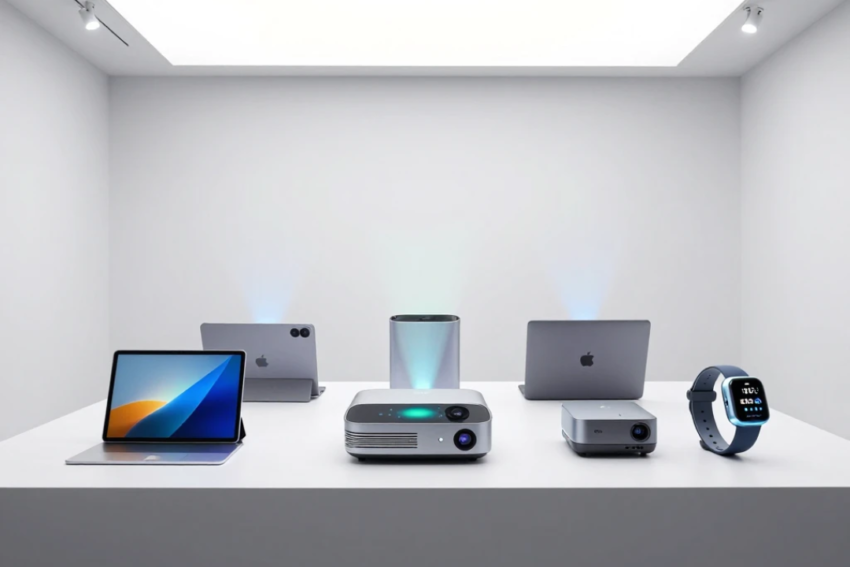
Consumer technology is entering an exciting new era. In 2026, gadgets are becoming smarter, faster, more connected, and increasingly powered by artificial intelligence. Smartphones, smartwatches, wireless earbuds, laptops, smart home devices, gaming hardware, electric mobility products, and immersive technologies are changing how people work, communicate, relax, shop, and manage their daily lives.
The future of consumer technology in 2026 is not simply about creating devices with better specifications. The biggest change is the growing ability of different gadgets to communicate with each other and automate tasks. Artificial intelligence is becoming a central part of this ecosystem, helping devices understand users, process information, and provide personalized experiences.
This article explores the most exciting consumer technology innovations in 2026, their benefits, challenges, and potential impact on everyday life.
What Is the Future of Consumer Technology?
Consumer technology refers to products and digital services designed for everyday users.
These include:
- Smartphones
- Laptops
- Tablets
- Smartwatches
- Wireless earbuds
- Smart home devices
- Gaming products
- Streaming devices
- Electric mobility
- Wearable technology
The future of consumer technology is focused on making these products more intelligent, connected, efficient, and personalized.
Artificial intelligence, advanced sensors, faster connectivity, improved batteries, and cloud computing are all contributing to this transformation.
1. AI-Powered Smartphones
Smartphones will remain at the center of consumer technology in 2026.
The biggest change is the increasing integration of artificial intelligence.
AI-powered smartphones can assist with:
- Photo enhancement
- Image editing
- Translation
- Writing
- Voice commands
- Search
- Call assistance
- Personalized recommendations
Some AI processing can happen directly on the device, which can improve responsiveness and reduce the need to send every task to a remote server.
The Future of Smartphones
Future smartphones may become more proactive.
Instead of waiting for users to provide detailed commands, AI systems may understand context and help complete routine tasks.
However, this increased intelligence will make privacy and security even more important.
2. AI-Powered Laptops
Laptops are also becoming smarter.
AI-capable laptops are designed to support both traditional computing and AI-related workloads.
Potential applications include:
- Content creation
- Image editing
- Video processing
- Voice enhancement
- Productivity tools
- Local AI applications
The future laptop may function as more than a computer. It could become an intelligent assistant that helps users organize information and automate repetitive tasks.
3. Next-Generation Wearable Technology
Wearable technology is expanding rapidly.
Smartwatches, fitness trackers, and smart rings can provide information related to:
- Activity
- Exercise
- Sleep
- Heart rate
- General wellness
Smart rings are particularly interesting because they provide useful tracking features in a compact form.
AI and Wearables
AI can analyze information collected by wearables and identify patterns.
This may allow devices to provide more personalized wellness insights.
However, users should understand that consumer wellness devices are not automatically medical devices. Measurements should be interpreted according to the device’s capabilities and intended use.
4. Smart Homes Will Become More Intelligent
The smart home is one of the most important areas of consumer technology.
Popular connected home products include:
- Smart lights
- Smart plugs
- Smart thermostats
- Smart speakers
- Smart locks
- Security cameras
- Video doorbells
These devices can work together to automate daily routines.
For example, a smart home system could turn off lights, adjust the temperature, and activate security features when residents leave.
AI-Powered Home Automation
AI could make smart homes more adaptive.
Instead of manually creating every automation, future systems may learn recurring routines and suggest useful actions.
However, users should have clear control over automation and data collection.
5. Advanced Wireless Audio
Wireless earbuds and headphones continue to improve.
Future audio devices are expected to provide better:
- Noise cancellation
- Sound quality
- Microphone performance
- Battery life
- Connectivity
- Spatial audio
AI may also improve communication features by reducing background noise and enhancing voice clarity.
This can be especially useful for remote workers and people who frequently make calls in noisy environments.
6. Spatial Computing and Extended Reality
Spatial computing is creating new ways to interact with digital information.
It includes:
- Virtual reality
- Augmented reality
- Mixed reality
Potential consumer applications include:
- Gaming
- Education
- Fitness
- Entertainment
- Shopping
- Remote collaboration
- Creative work
Instead of interacting with digital content only through traditional screens, users can increasingly experience digital information within physical environments.
As hardware becomes lighter, more comfortable, and more affordable, spatial computing could become a larger part of everyday consumer technology.
7. Smarter Gaming Technology
Gaming continues to drive innovation in consumer electronics.
Important gaming products include:
- Gaming consoles
- Handheld gaming devices
- Gaming laptops
- High-refresh-rate monitors
- Wireless controllers
- Gaming headsets
AI is also becoming relevant to gaming through features such as image enhancement, performance optimization, game development tools, and personalized experiences.
Cloud gaming may also continue to expand, allowing supported games to run remotely rather than entirely on local hardware.
8. Better Battery and Charging Technology
Battery performance is essential to modern gadgets.
Consumers increasingly expect:
- Longer battery life
- Faster charging
- Smaller chargers
- Better power efficiency
- USB-C compatibility
Better batteries can benefit smartphones, laptops, wearables, gaming devices, electric vehicles, and smart home systems.
Portable power banks and multi-device charging stations are also becoming increasingly useful as people carry more connected products.
9. Electric Mobility Technology
Consumer technology is expanding into transportation.
Electric vehicles, e-bikes, scooters, and other electric mobility products are increasingly connected to digital ecosystems.
Features can include:
- Smartphone applications
- GPS
- Digital dashboards
- Battery monitoring
- Security alerts
- Remote controls
Vehicles are also becoming software-driven platforms.
Future transportation products may offer greater integration with smartphones, smart homes, navigation systems, and digital services.
10. Smart Entertainment Systems
Home entertainment is becoming more connected.
Modern smart TVs can provide access to streaming services, gaming, music, and applications.
Important display technologies include:
- High resolution
- HDR
- High refresh rates
- Improved contrast
- Low input latency
Consumers can also combine smart TVs with soundbars, wireless speakers, streaming devices, and gaming systems.
Future entertainment ecosystems may use AI to recommend content based on user preferences and viewing habits.
11. Smart Health and Wellness Devices
Technology is increasingly being used to support everyday wellness.
Consumer products can include:
- Fitness trackers
- Smartwatches
- Smart rings
- Connected scales
- Sleep trackers
- Smart fitness equipment
These devices can help users understand activity patterns and track progress toward personal goals.
AI may provide more personalized insights by analyzing data over longer periods.
Privacy and data security will remain important because wellness devices can process sensitive personal information.
12. Smart Security Technology
Home security gadgets are becoming increasingly sophisticated.
Products include:
- Smart cameras
- Video doorbells
- Smart locks
- Motion sensors
- Alarm systems
AI-powered security systems can potentially identify different types of activity and reduce unnecessary alerts.
For example, a system may distinguish between a person and general movement.
Consumers should choose security devices with strong encryption, reliable software updates, and clear data-storage policies.
13. Sustainable Consumer Technology
Sustainability is becoming a more important factor in consumer electronics.
Manufacturers and consumers are paying greater attention to:
- Energy efficiency
- Repairability
- Device lifespan
- Recyclability
- Packaging
- Responsible manufacturing
Longer software support can also extend the useful life of devices.
Consumers can contribute by choosing durable products and avoiding unnecessary upgrades.
Benefits of Future Consumer Technology
The future of consumer technology in 2026 can provide many benefits.
Greater Convenience
Smart devices can automate repetitive activities.
Improved Productivity
AI-powered tools can assist with communication, organization, and content creation.
Better Entertainment
Gaming, streaming, audio, and immersive technologies can provide richer experiences.
Personalization
AI can adapt certain features to individual preferences.
Improved Energy Management
Smart home technology can help users monitor and manage energy consumption.
Better Connectivity
Connected ecosystems allow multiple devices to work together.
Challenges of Future Consumer Technology
Despite its benefits, consumer technology also has challenges.
Privacy Concerns
Smart gadgets can collect significant amounts of information.
Cybersecurity Threats
Connected products can become targets for cyberattacks.
High Costs
Advanced technology can be expensive when first introduced.
Compatibility Issues
Different technology ecosystems may not always work together.
Electronic Waste
Frequent upgrades can increase e-waste.
Technology Dependence
Over-reliance on connected systems can create problems when devices or networks fail.
How Consumers Can Prepare for the Future
Consumers should focus on long-term value when buying technology.
Consider:
- Purpose: Does the device solve a real problem?
- Compatibility: Will it work with your existing ecosystem?
- Security: Does the manufacturer provide regular updates?
- Privacy: What information does it collect?
- Durability: Is it designed to last?
- Battery: Is battery performance sufficient?
- Support: How long will software updates continue?
- Value: Are the features worth the cost?
Buying fewer but better-supported gadgets can often be more practical than constantly upgrading.
Future Consumer Technology Trends to Watch
Several trends are likely to remain important beyond 2026.
AI Everywhere
Artificial intelligence will continue spreading across smartphones, laptops, wearables, home devices, and entertainment systems.
Device Integration
Different gadgets will increasingly communicate and share information.
More Natural Interfaces
Voice, gestures, vision, and spatial interfaces may become more common.
Smarter Automation
AI could automate more routine tasks across homes and personal devices.
Better Energy Efficiency
Manufacturers will continue improving battery technology and power consumption.
Greater Privacy Control
Consumers will increasingly expect transparency and control over their personal data.
Conclusion
The future of consumer technology in 2026 is being shaped by artificial intelligence, advanced connectivity, wearable technology, smart homes, spatial computing, gaming innovations, better batteries, electric mobility, and sustainable design.
The most exciting gadgets are not simply becoming more powerful. They are becoming more intelligent, connected, and capable of adapting to the needs of users.
However, consumers should look beyond flashy features. Security, privacy, durability, software support, compatibility, and practical value are equally important.
As technology continues to advance, the line between individual gadgets and connected digital ecosystems will become increasingly blurred. Smartphones, laptops, watches, earbuds, vehicles, home systems, and entertainment devices will work together more seamlessly.
The future of consumer technology will ultimately be defined by how effectively these innovations improve everyday life while maintaining privacy, security, affordability, and responsible design.