Introduction
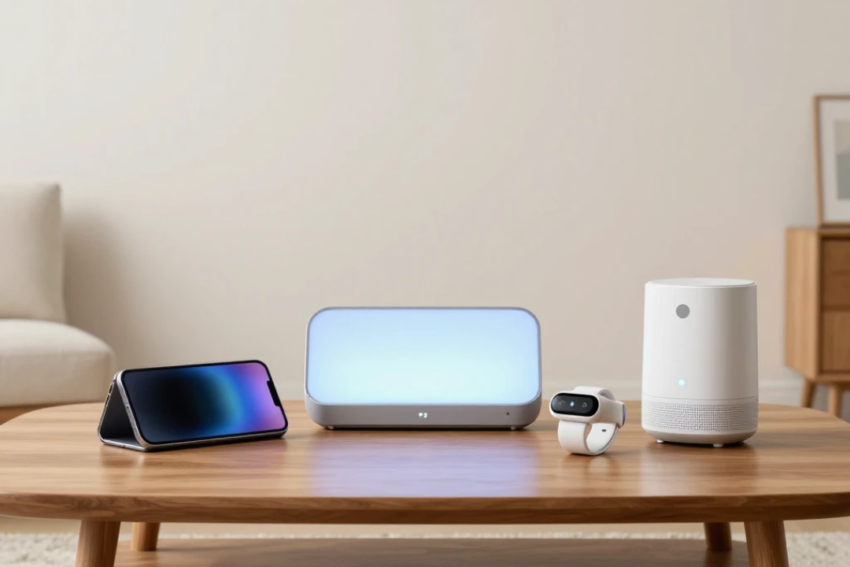
Consumer technology is evolving rapidly, and 2026 is bringing smarter, faster, and more connected gadgets into everyday life. From AI-powered smartphones and smartwatches to intelligent home devices, wireless accessories, electric mobility, and immersive entertainment systems, technology is becoming an increasingly important part of modern lifestyles.
The top consumer tech trends in 2026 are focused on convenience, automation, personalization, connectivity, and efficiency. Artificial intelligence is being integrated into more devices, while smart home ecosystems are becoming easier to control. Wearable technology is also becoming more advanced, and consumers have more options for portable productivity and entertainment.
Understanding these trends can help consumers make better purchasing decisions and identify technologies that provide genuine value.
What Are Consumer Tech Trends?
Consumer tech trends are developments in technology designed primarily for everyday users.
These trends can include:
- Smartphones
- Wearables
- Smart home devices
- Wireless accessories
- Laptops and tablets
- Gaming technology
- Smart entertainment
- Electric mobility
- AI-powered applications
In 2026, many of these categories are becoming connected through software and cloud services.
1. AI-Powered Consumer Devices
Artificial intelligence is one of the biggest forces shaping consumer technology.
AI is now being integrated into smartphones, laptops, cameras, headphones, smart home products, and other gadgets.
AI-powered devices can assist with:
- Writing
- Image editing
- Voice commands
- Translation
- Search
- Recommendations
- Automation
Instead of requiring users to manually perform every task, intelligent devices can increasingly provide automated assistance.
AI on Smartphones
Modern smartphones can use AI to improve photos, summarize information, assist with communication, and personalize experiences.
This trend is likely to continue as processors become more capable of running AI tasks locally.
2. Smart Home Automation
Smart home technology is becoming more accessible and useful.
Consumers can connect devices such as:
- Smart lights
- Smart plugs
- Smart thermostats
- Security cameras
- Smart speakers
- Video doorbells
- Smart locks
These products can be controlled through mobile applications, voice commands, or automated routines.
Benefits of Smart Homes
Smart home automation can improve:
- Convenience
- Energy efficiency
- Security
- Accessibility
- Daily routines
For example, smart lights can automatically turn off when rooms are empty, while smart thermostats can adjust temperatures based on schedules.
Security should remain a priority. Connected home devices should use strong passwords, current software, and secure networks.
3. Advanced Wearable Technology
Wearable devices continue to expand beyond basic notifications.
Smartwatches and fitness trackers can monitor various activity and wellness-related metrics.
Common features include:
- Activity tracking
- Sleep tracking
- GPS
- Heart-rate monitoring
- Workout tracking
- Notifications
- Contactless payments
Smart Rings
Smart rings are also gaining attention because they provide wearable features in a compact form.
They can be attractive to consumers who want activity and wellness tracking without wearing a traditional smartwatch.
As sensor technology improves, wearables may become smaller and more capable.
4. Wireless Audio Technology
Wireless earbuds and headphones remain popular consumer gadgets.
Modern products increasingly offer:
- Active noise cancellation
- Transparency modes
- Spatial audio
- Improved microphones
- Longer battery life
- Wireless charging
These features make wireless audio useful for music, calls, travel, gaming, and remote work.
Consumers should consider comfort, audio quality, microphone performance, battery life, and device compatibility.
5. Powerful and Portable Laptops
Laptops remain essential for work, education, business, and entertainment.
In 2026, consumer laptops are increasingly designed around portability, battery efficiency, and AI capabilities.
Important features include:
- Modern processors
- Sufficient RAM
- Fast SSD storage
- High-quality displays
- Long battery life
- Good webcams
- Wireless connectivity
AI-capable laptops can provide additional functionality for content creation, productivity, and local AI applications.
6. Tablets as Productivity Devices
Tablets are increasingly becoming alternatives to traditional laptops for certain users.
With accessories such as keyboards and styluses, modern tablets can support:
- Note-taking
- Drawing
- Reading
- Presentations
- Web browsing
- Video editing
- Education
Students and creative professionals may particularly benefit from portable tablet ecosystems.
The best choice depends on software availability, performance requirements, screen size, and accessory support.
7. Smart TVs and Immersive Entertainment
Home entertainment continues to evolve.
Modern smart TVs provide access to streaming platforms, gaming services, music, and applications.
Important features include:
- High-resolution displays
- HDR
- High refresh rates
- Low input latency
- Modern connectivity
- Advanced audio support
Consumers are also exploring projectors, soundbars, streaming devices, and immersive entertainment systems.
Gaming and Smart TVs
Gaming is becoming an increasingly important feature of modern televisions.
Features such as high refresh rates, low latency, and variable refresh technologies can improve gaming experiences.
8. Connected Gaming Devices
Gaming technology is another major consumer technology category.
Popular gaming products include:
- Gaming consoles
- Handheld devices
- Gaming laptops
- Wireless controllers
- Gaming headsets
- Mechanical keyboards
- Gaming monitors
Portable gaming devices are especially interesting because they allow users to play games in more locations.
Cloud gaming may also increase the importance of high-speed internet and low-latency connectivity.
9. Smart Security Devices
Home security technology is becoming more advanced.
Consumers can use:
- Smart cameras
- Video doorbells
- Smart locks
- Motion sensors
- Alarm systems
Some security products use AI-powered detection to distinguish between different types of activity.
For example, a camera may identify whether movement is associated with a person, vehicle, or another object.
Privacy should be considered carefully when installing cameras and other monitoring devices.
10. Faster Charging and Better Batteries
Battery technology is critical to almost every portable gadget.
Consumers increasingly expect:
- Faster charging
- Longer battery life
- Compact chargers
- USB-C compatibility
- Better power efficiency
Power banks and multi-device chargers are becoming essential accessories for people who use several connected devices.
Better batteries also support electric vehicles, smart home systems, and portable electronics.
11. Electric Mobility Technology
Consumer technology is extending beyond phones and computers.
Electric vehicles, electric bikes, scooters, and other connected mobility products are becoming increasingly common.
Modern electric mobility products can include:
- Smartphone integration
- GPS
- Digital dashboards
- Driver assistance
- Battery monitoring
- Connected services
Software is becoming an important part of transportation technology.
12. Extended Reality and Spatial Computing
Virtual reality, augmented reality, and mixed reality are creating new consumer experiences.
Potential applications include:
- Gaming
- Education
- Fitness
- Entertainment
- Shopping
- Virtual meetings
- Creative work
Spatial computing can allow digital content to interact with physical surroundings.
As hardware becomes more comfortable and capable, these technologies may become more practical for everyday consumers.
13. Smart Health and Wellness Gadgets
Consumer wellness technology is growing rapidly.
Products can include:
- Smartwatches
- Fitness trackers
- Smart rings
- Connected scales
- Sleep trackers
- Fitness equipment
These devices can help users monitor activity and develop healthier routines.
However, consumers should understand the difference between general wellness information and medically validated measurements.
AI and Personalized Wellness
AI can analyze data collected by wearable devices and provide personalized insights.
This could help users better understand activity patterns and make informed lifestyle choices.
14. Sustainable Consumer Technology
Sustainability is becoming increasingly important in the technology industry.
Consumers are paying more attention to:
- Energy efficiency
- Device lifespan
- Repairability
- Recyclability
- Packaging
- Responsible manufacturing
Longer software support can also help extend the useful life of devices.
Buying durable products and avoiding unnecessary upgrades can reduce electronic waste.
Benefits of Smart Consumer Technology
The top consumer technology trends in 2026 provide several benefits.
Convenience
Smart devices can automate everyday tasks.
Productivity
AI and connected devices can simplify work and communication.
Entertainment
Gaming, streaming, wireless audio, and immersive technology provide new entertainment options.
Personalization
AI can adapt experiences based on user preferences.
Connectivity
Different devices can work together through connected ecosystems.
Energy Efficiency
Smart home and energy technologies can help users manage consumption.
Challenges of Consumer Technology
Smart gadgets also create challenges.
Privacy
Connected devices can collect personal information.
Cybersecurity
Internet-connected products can potentially be targeted by attackers.
Compatibility
Different ecosystems may not always work together seamlessly.
Cost
Advanced features can increase device prices.
Electronic Waste
Rapid upgrade cycles can contribute to e-waste.
Complexity
Too many connected devices can make technology difficult to manage.
How to Choose Smart Gadgets in 2026
Before buying a consumer technology product, consider:
- Purpose: What problem does the device solve?
- Compatibility: Does it work with your existing devices?
- Security: Does the manufacturer provide updates?
- Privacy: What information does it collect?
- Battery: How long can it operate?
- Durability: Is the product built to last?
- Support: How long will software updates be provided?
- Value: Are the features worth the price?
Avoid buying gadgets simply because they are popular. Focus on products that provide meaningful benefits.
Future of Consumer Technology
The future of consumer technology will likely be defined by greater integration.
Smartphones, watches, earbuds, vehicles, home devices, laptops, and entertainment systems will increasingly communicate with each other.
Artificial intelligence will act as a connecting layer across many devices.
A user’s digital ecosystem may automatically coordinate schedules, entertainment, communication, home settings, and other services.
Privacy and cybersecurity will become even more important as this connectivity increases.
Consumers will need greater control over their data and stronger security options.
Conclusion
The top consumer tech trends in 2026 are making everyday life more connected, intelligent, convenient, and personalized.
AI-powered devices, smart homes, advanced wearables, wireless audio, powerful laptops, tablets, smart TVs, gaming devices, security products, better batteries, electric mobility, spatial computing, wellness technology, and sustainable gadgets are all shaping the modern consumer market.
The best technology is not necessarily the most expensive or advanced. A useful gadget should solve a real problem, work reliably, protect user data, and provide long-term value.
As artificial intelligence and connectivity continue to improve, consumer technology will become increasingly integrated into daily life. Consumers who focus on practical features, security, privacy, durability, and compatibility will be better prepared to take advantage of the exciting technology trends emerging in 2026.